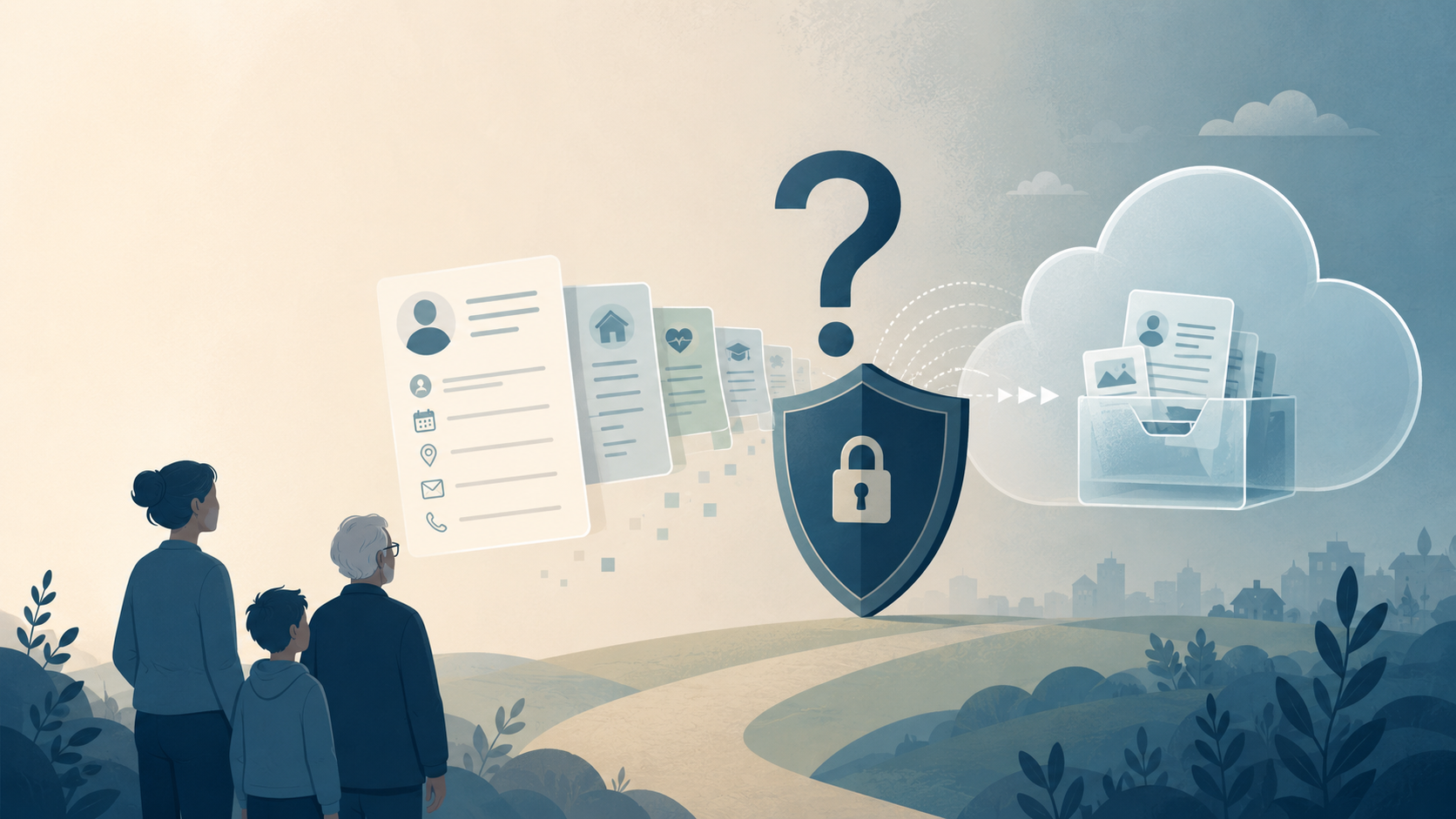

This is a personal opinion. It is shaped by nearly 30 years of working with and for young people — and by 13 years of being a father.
I’m not writing this out of panic.
I’m not writing it to say that the internet is bad.
And I’m certainly not writing it because I want to turn back time.
I’m writing because there is a conversation many parents are not having — and because silence, even when it comes from love or trust, can sometimes be the most dangerous place of all.
The internet is not the enemy
The internet is an extraordinary space.
It’s where young people learn, create, play, connect, experiment, and slowly figure out who they are. Gaming, social platforms, artificial intelligence — these are not threats. They are part of the world our children are growing up in.
As a parent, I want my children to grow up capable, not afraid.
As someone who has worked with young people for decades, I know how essential digital spaces are for expression, belonging, and opportunity.
This article is not a call to ban screens or disconnect childhood.
But it is a call to be more aware.
The part we rarely talk about
Alongside all these opportunities exists something far less visible — and far more dangerous precisely because it is easy to miss.
There are very small, loosely connected groups of individuals online who deliberately target young people. They are not loud. They are not obvious. They don’t look like the stereotypes we expect.
They are patient. They are manipulative. And they exist across countries and platforms.
This isn’t a failure of technology.
It’s a reality of human manipulation, amplified by digital access.
How grooming actually works — and why it’s so effective
These situations almost never begin with threats.
They begin with friendship, attention, shared interests and a sense of belonging.
Little by little, boundaries shift. A child is encouraged to do something slightly uncomfortable. Then something they wouldn’t normally do. Then something they feel ashamed of.
At that point, shame becomes the tool.
Much like what we see in sextortion cases, secrecy and fear are used to escalate control. But the goal is often not sexual gratification. It is power, dominance, and psychological harm.
Children don’t “fall into this.”
They are guided there — slowly, deliberately.
Where this often happens
There is no single platform responsible for this. It can happen in online games, platforms with voice chat or private messaging, apps that feel casual, playful, or safe
The platform itself is rarely the problem. The danger lies in how accessible children are, and how easily trust can be abused.
Why children don’t speak up
This is one of the hardest parts for parents to understand.
Children in these situations often feel intense shame — not because they are guilty, but because they feel responsible.
They may think:
- “I should have known better.”
- “I’ll get in trouble.”
- “I’ll disappoint my parents.”
- “It’s too late to fix this.”
Shame silences.
And the longer that silence lasts, the harder it becomes to break.
Signs parents might notice — and often misread
There is no single red flag, but patterns matter. Parents might notice: sudden changes in behaviour or mood, irritability, withdrawal, or emotional volatility, increased secrecy around devices, loss of interest in things that once brought joy, fear or anxiety that is hard to explain.
One important thing to remember: children often release distress where they feel safest — which is why it can show up at home.
What actually helps — and what doesn’t
What doesn’t help
- panic
- immediate bans
- interrogations
- punishment-first reactions
These responses often confirm a child’s fear: “I shouldn’t have said anything.”
What helps
- calm presence
- curiosity instead of accusation
- repeated reassurance
- making it clear that being manipulated is never their fault
Children need to know one thing above all:
telling the truth will not cost them everything.
Trust, safety, and our role as parents
Trust does not mean permissiveness.
Safety does not mean surveillance.
It means creating a space where conversations can happen — before something goes wrong, and also after.
We don’t need to know everything our children do online.
But we do need to be the people they can turn to when something feels wrong, even if they don’t yet have the words for it.
Why silence is the real risk
After decades of working with young people, one thing is clear to me: they are resilient — but they are also vulnerable.
As parents, these topics make us uncomfortable.
But discomfort is not danger.
Silence is.
We don’t need to fear the internet.
But we must stop assuming that silence means safety.
Luxembourg – Aide & ressources fiables
BEE SECURE – Sécurité en ligne pour enfants, jeunes et parents
👉 https://www.bee-secure.lu
📞 Helpline : 8002 1234
(Informations, accompagnement, prévention)
KannerJugendtelefon (KJT)
📞 116 111
👉 https://www.kjt.lu
(Enfants et adolescents – gratuit et confidentiel)
Elteren Telefon
📞 26 64 05 55
👉 https://www.eltereforum.lu
(Soutien et conseils pour parents)
Eltere Forum
👉 https://www.eltereforum.lu
(Accompagnement parental, échanges, information)
SOS Détresse
📞 454545
👉 https://www.454545.lu
(Écoute 24/7 – adultes et jeunes)
CNVV – Centre national pour victimes de violence
📞 2060 1060
👉 https://www.cnvv.lu
(Accompagnement spécialisé, confidentiel)
Police Grand-Ducale – Protection de la jeunesse
👉 https://police.public.lu
SEPAS (Services psycho-sociaux et d’accompagnement scolaires)
- Présents dans chaque lycée
- Premier point de contact si un·e élève est en détresse
- Accès direct et confidentiel via l’établissement scolaire
For parents who want to understand this topic in more depth, the following organizations and investigations provide serious, well-researched information:
- Europol – Online child exploitation & grooming
https://www.europol.europa.eu/crime-areas-and-statistics/crime-areas/child-sexual-exploitation - National Crime Agency (UK) – Online grooming & coercion
https://www.nationalcrimeagency.gov.uk/what-we-do/crime-threats/child-sexual-abuse-and-exploitation - FBI – Crimes against children (online exploitation & coercive control)
https://www.fbi.gov/investigate/violent-crime/cac - INHOPE – International network against online child abuse
https://www.inhope.org - The Guardian / BBC long-form investigations on extremist online grooming
(search terms: online grooming extremist groups investigation) - Common Sense Media – Parent guides on gaming, apps, and online safety
https://www.commonsensemedia.org
These resources go deeper than an opinion piece can — and they matter.